Construction AP Audits: Improving Finance Control
By OCTA Finance Team — Finance automation research & guides, reviewed by OCTA
Streamline construction payables with audit-ready workflows. Protect project margins and enhance control through specialized finance-automation insights.
Strengthening Construction Payables Through Audit
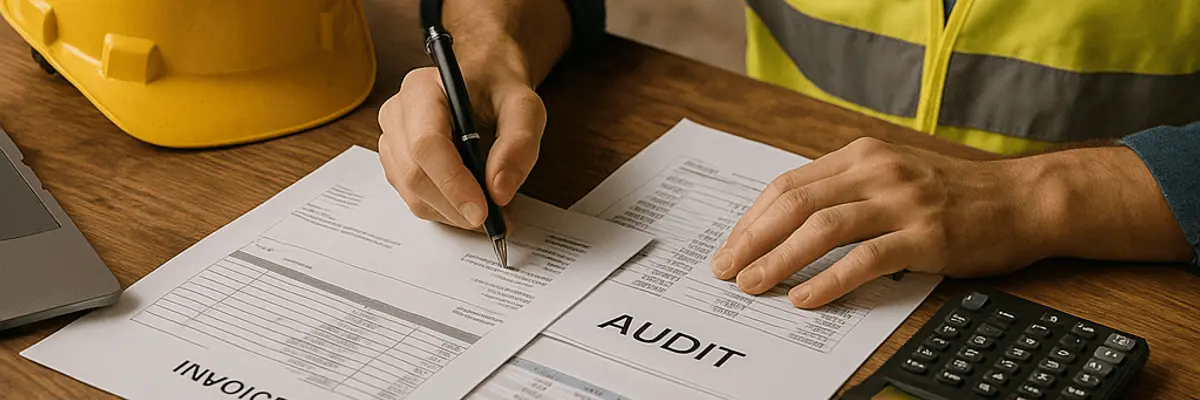
In the construction sector, accounts payable departments carry a heavy burden due to project-based invoicing. A single missing document can stall site progress and impact vendor relations. Internal audit teams are vital for spotting these inefficiencies before they become systemic problems.
Fixing Invoice Data in Construction
Construction projects often involve high volumes of vendor invoices that lack standard formatting. This variety makes tracking project-related expenses difficult. Your audit team should focus on reconciling every invoice against specific purchase orders for each job site. Failure to link these items leads to profit leakage and unreliable job costing reports. Ensure your finance staff has the necessary oversight to verify all site-level requests.
Better Vendor Payment Workflows
Standardization is the best defense against overpayment in construction. Implement a rigorous intake process that mandates digital submittal for all vendor invoices. This reduces the risk of lost paperwork. Furthermore, your audit function should conduct random spot-checks on invoice approvals to ensure compliance with company policy. Frequent checks discourage internal errors and keep vendors accountable for their billing accuracy.
Strategies for AP Audit Precision
- Cross-reference project budgets with pending invoice totals.
- Require detailed itemization for all bulk material orders.
- Conduct monthly reviews of vendor payment terms versus actuals.
- Standardize approval paths based on invoice dollar amounts.
Building Automated Finance Systems
To scale, construction firms must shift from manual entries to automated oversight. Use software that integrates project management data with your accounts payable system. This allows for real-time visibility into project spend. By using these tools, your audit department acts as a strategic partner rather than just a watchdog. This modern approach ensures your projects stay on budget while maintaining positive, reliable vendor partnerships.