Streamlining Chemicals Industry AP for Large Businesses
By OCTA Finance Team — Finance automation research & guides, reviewed by OCTA
Simplify high-volume AP in the chemical sector. Practical advice for large firms to reduce costs, improve vendor terms, and boost cash flow.
Accounts Payable Strategies for Large Chemical Producers
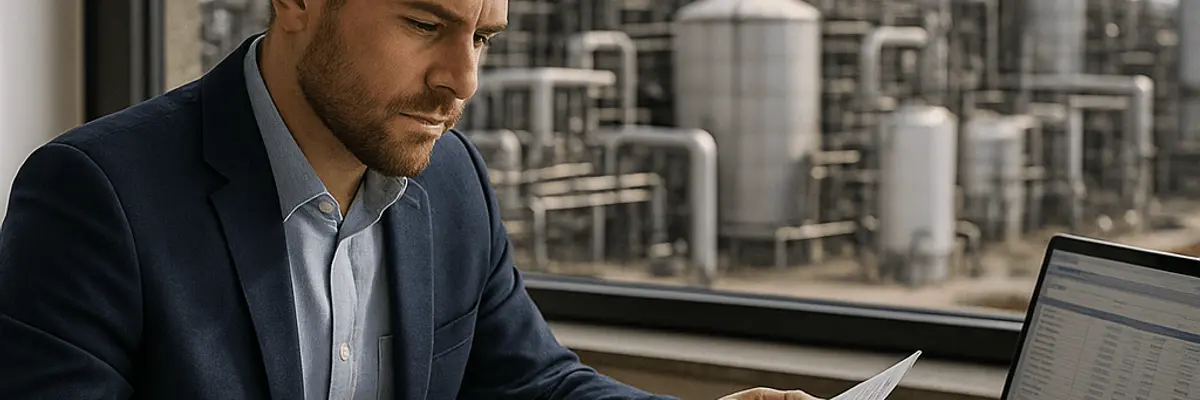
Large chemical enterprises manage massive, multi-tiered supply chains. The volume of invoices generated daily can easily overwhelm traditional accounting teams. For these organizations, accounts payable (AP) is not just a back-office function; it is a critical lever for managing working capital. If your invoice processing is slow, you miss out on early-payment discounts. Worse, you damage your relationships with essential suppliers. Modernizing your AP department requires shifting from manual data entry to strategic process management. By optimizing how you handle outflows, you strengthen your enterprise financial position and improve overall supply chain resiliency.
The Complexity of Chemical Industry Spending
Chemical production involves procurement across various regions, often involving hazardous materials or specialized logistics. Each invoice carries its own unique tax and shipping considerations. Manual handling leads to excessive labor hours and high error rates. Large businesses often suffer from visibility gaps where invoices are stuck in email threads or pending approvals across different departments. This inefficiency prevents you from accurate cash flow forecasting. To stay competitive, you must move toward total digital integration of your financial outflows.
Scaling AP for Enterprise Efficiency
Centralization is the most effective way to scale your AP operations. Consolidate your invoicing systems to ensure every cost center follows the same rules. Automation is the engine that will allow your team to scale without hiring more headcount. Look for software that includes automated invoice scanning and digital routing. These tools eliminate the manual work of sorting through documents. Establishing a single dashboard for your AP team provides the visibility needed to identify bottlenecks. You can then negotiate better terms with suppliers by providing consistent, on-time payments.
Key Implementation Pillars
- Invoice Digitization: Move away from paper and PDFs toward structured data files that your system can read automatically.
- Supplier Portals: Give your vendors a direct line to check payment status, reducing time spent answering status emails.
- Data Analytics: Use historical spending data to find patterns and negotiate bulk pricing for frequently purchased supplies.
- Compliance Protocols: Standardize the review process for invoices to ensure all chemical industry safety and tax compliance is met.
Optimizing your accounts payable is a direct path to higher profitability. By refining your internal workflows, you reduce the time and cost associated with every transaction. Start by identifying the most manual-heavy parts of your current AP process and replacing them with modern, automated alternatives. Strong financial operations are the backbone of a successful chemical enterprise.