Automated Invoice Tools for Abha Accounts Receivable
By OCTA Finance Team — Finance automation research & guides, reviewed by OCTA
Abha businesses can accelerate payments with automated invoicing. Eliminate manual data entry errors and improve your incoming cash flow today.
Streamline AR for Your Abha Business Using Invoice Automation
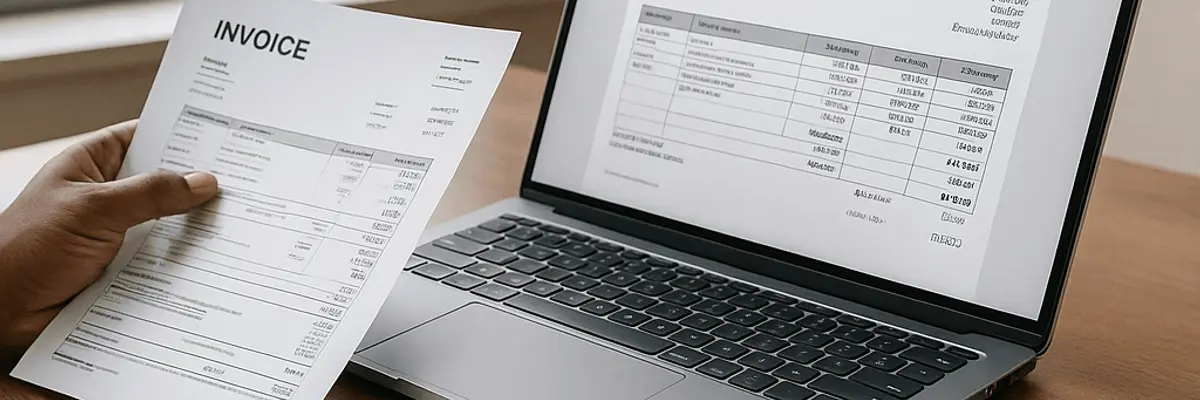
Running a business in Abha requires precise control over cash flow. If you still rely on manual data entry for your accounts receivables, you are likely losing hours each week. Automated invoice processing software transforms how you manage your incoming payments. By removing human error, you ensure that every line item reflects the correct service or good delivered. This shift allows your finance team to spend less time typing and more time analyzing financial health. Every invoice sent on time represents a faster path to liquid capital. In a busy city like Abha, efficiency separates successful firms from those struggling to track basic revenue streams. Automation is not just a digital upgrade; it is a fundamental shift toward sustainable growth. Adopt these tools to create a predictable, error-free rhythm in your back-office operations.
The Core Benefits of Moving to Automated Billing
Replacing manual systems creates immediate improvements in your financial accuracy. You can capture invoice details automatically and verify them against purchase orders without redundant steps. Faster processing means your customers receive their bills immediately upon completion of work. This consistency in billing cycles encourages clients to pay on time. Furthermore, automated systems provide a central dashboard for tracking all open invoices in one place. You no longer need to dig through spreadsheets or physical folders to see who owes what. By standardizing your communication, you remove friction from the payment experience. Your clients appreciate the clarity, and your bank account benefits from the reduced latency between invoicing and deposit.
Tactical Steps for Deploying Automation in Abha
Transitioning to automated software requires a thoughtful, phased approach to avoid disruption. First, audit your existing workflow. Document exactly where invoices originate and identify common bottlenecks that cause delays. Second, select a cloud-native platform that integrates seamlessly with your current accounting tools. Third, run a trial period. Select a small subset of accounts to process via the new software to iron out any kinks. Finally, provide hands-on training to your staff. Everyone touching the financial records should understand how the system flags overdue accounts. Common pitfalls include failing to verify client data before the migration and skipping the training phase. By following this structure, you safeguard your data integrity while enjoying the long-term benefits of a modern accounts receivable system.
Best Practices for Ongoing Financial Health
Schedule a monthly review of your AR aging report. Look for trends in payment behavior to adjust credit terms where necessary. Maintain clean records by reconciling your bank deposits every single week. This proactive habit prevents small discrepancies from becoming major accounting headaches later. Use automation as a tool for constant improvement rather than a one-time setup project.