AI Accounting Workflow Automation

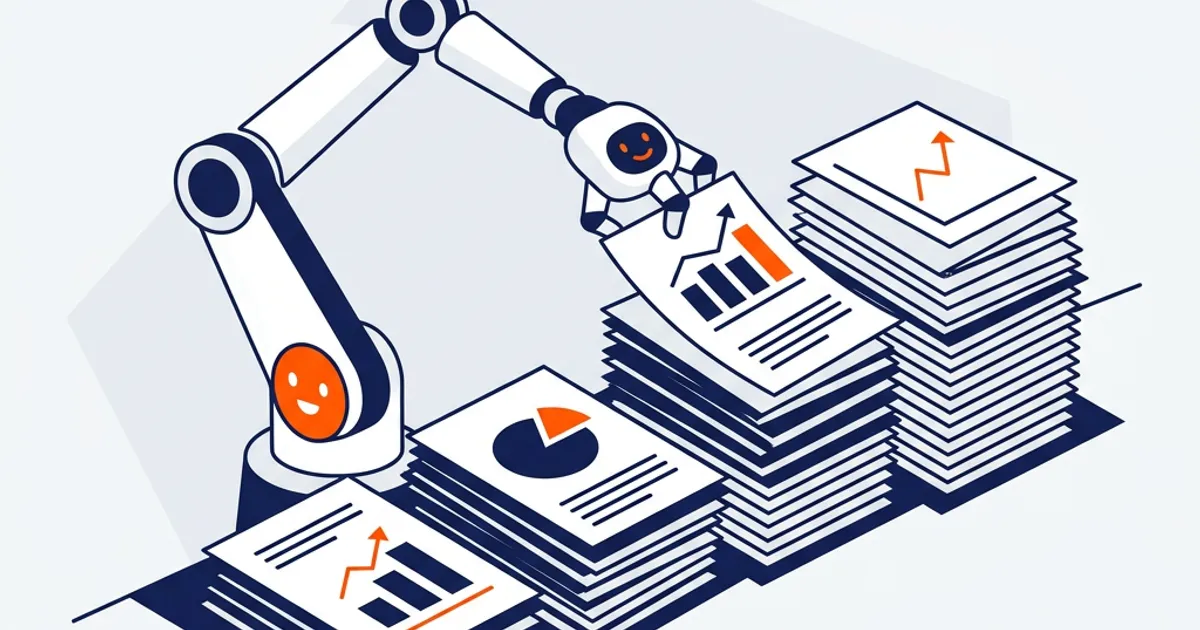
AI accounting workflow automation is the use of AI agents to run entire multi-step accounting processes on a firm's real files — from data collection through reconciliation, adjustment, and reporting — with human approvals built in. Instead of automating one isolated task, it chains the steps of a workflow, executing each, flagging exceptions, and logging the run.
What AI accounting workflow automation means for firm owners
A firm doesn't run on single tasks; it runs on workflows — the close is a sequence, an engagement is a sequence, onboarding a client is a sequence. Traditional automation handles narrow, rule-based steps (a rule that categorizes a recurring vendor payment), but it breaks the moment a step needs judgment or a document that isn't there. AI accounting workflow automation handles the whole chain, including the judgment-adjacent steps, and stops for a human only where a decision or approval genuinely belongs.
For a firm owner, this is the difference between saving minutes and reclaiming capacity. Automating one reconciliation saves a task; automating the end-to-end close workflow across every client changes how many clients the firm can carry. The unit of leverage is the workflow, not the click.
The gap in general AI (ChatGPT/Claude)
General AI can help with individual steps if you feed it the data, but it can't run a workflow. It doesn't connect to your accounting stack, so it can't move from one step to the next without you copying data between them. It doesn't retain the workflow definition, so the sequence lives in your head and has to be re-driven every time. And it leaves no audit trail, so a multi-step process produces no evidence of what happened at each stage. A workflow needs orchestration, connection, and a record — a chat tool provides none.
How OCTA Flow delivers AI accounting workflow automation
OCTA Flow orchestrates the whole workflow inside an Engagement that moves through Collect, Build, Run, Review, and Sign off. The pieces that make end-to-end automation work:
- Skills — 100+ pre-built procedures, chained so the output of one step feeds the next.
- Automations — recurring runs that trigger the workflow on schedule across every client.
- Approvals — human checkpoints placed where judgment or sign-off is required, with findings ranked by severity.
- Connectors — QuickBooks, Xero, Sage, and Zoho, so data flows through the workflow without manual export.
Flow runs in Ask, Plan, or Agent mode, so you decide how autonomously each workflow executes. It scored 83% across 200+ independent accounting scenarios and stays human-in-the-loop, with Quality Gates checking output between stages.
What it does — concrete use cases
- End-to-end close — collect, reconcile, adjust, verify, and report as one chained workflow. See month-end close automation.
- Reconciliation workflows — feed reconciled subledgers into the close. See bank reconciliation automation.
- Reporting workflows — trigger management reporting automation the moment the period closes.
- Client onboarding — request documents, set up the ledger connection, and stand up recurring engagements in sequence.
Trust, control, and security
Because the workflow runs inside one Engagement, the audit trail covers the whole chain — every step, every approval, every exception is recorded end to end. Approvals gate the stages that need a human, client data is isolated per firm, and it is not used to train models. Automation never means the workflow runs unwatched; it means the routine parts run themselves and pause at the decisions.
Frequently Asked Questions
How is this different from rule-based automation? Rules handle fixed, single steps and break on anything unusual. AI workflow automation runs the whole multi-step process, including judgment-adjacent steps, and routes exceptions to a human instead of failing silently.
Where do humans stay involved? At Approvals — the review and sign-off checkpoints built into each workflow. Findings are ranked by severity so attention goes to what matters.
Does it work across all my clients? Yes. A workflow is defined once as chained Skills and runs at a consistent standard across every client via Automations.
Do I need to replace my accounting software? No. Flow connects to QuickBooks, Xero, Sage, and Zoho and runs the workflow on top of the stack you already use.
How accurate is it across a full workflow? Flow scored 83% on independent accounting scenarios, and Quality Gates check output between stages so errors are caught before they cascade downstream.
Automate an end-to-end accounting workflow on your own files — free for 30 days. → Start your trial