OCTA Flow vs Basis: A Self-Serve Workspace vs Enterprise Agents

The short answer: Basis and OCTA Flow are both AI-agent platforms for accounting work, but they're sold differently. Basis is an enterprise, demo-led product with custom pricing. Flow is a self-serve AI workspace with transparent per-firm pricing and a 30-day trial you can start today, connecting to your existing QuickBooks or Xero stack.
Why firms compare OCTA Flow and Basis
Basis and Flow land on the same shortlists because both promise AI agents that do real accounting work rather than just chat about it. The difference most firms feel first is the buying experience. Basis is positioned for enterprise: pricing is custom, and evaluation runs through a sales process. Flow is built to be evaluated the way modern software is bought — self-serve, with published pricing and a trial where you connect a client's books and run a real procedure in the first week.
For a small or mid-sized firm, that gap is more than cosmetic. Transparent pricing and a hands-on trial let you validate the tool on your own files before committing, without a procurement cycle. This comparison focuses on that model difference, plus how each handles execution, control, and audit trail — using only publicly defensible facts about Basis, since it doesn't publish pricing or a detailed public feature matrix.
What accounting firms should actually evaluate
- Can you try it on your own files? A self-serve trial de-risks the decision far more than a scripted demo.
- Is pricing transparent? Custom-only pricing makes it hard to budget or compare.
- Does it execute the work end-to-end? Agents should run the procedure, not just assist.
- Is there an audit trail and human sign-off? Non-negotiable for client work.
- Does it run on your existing stack? You shouldn't rebuild your tooling to adopt it.
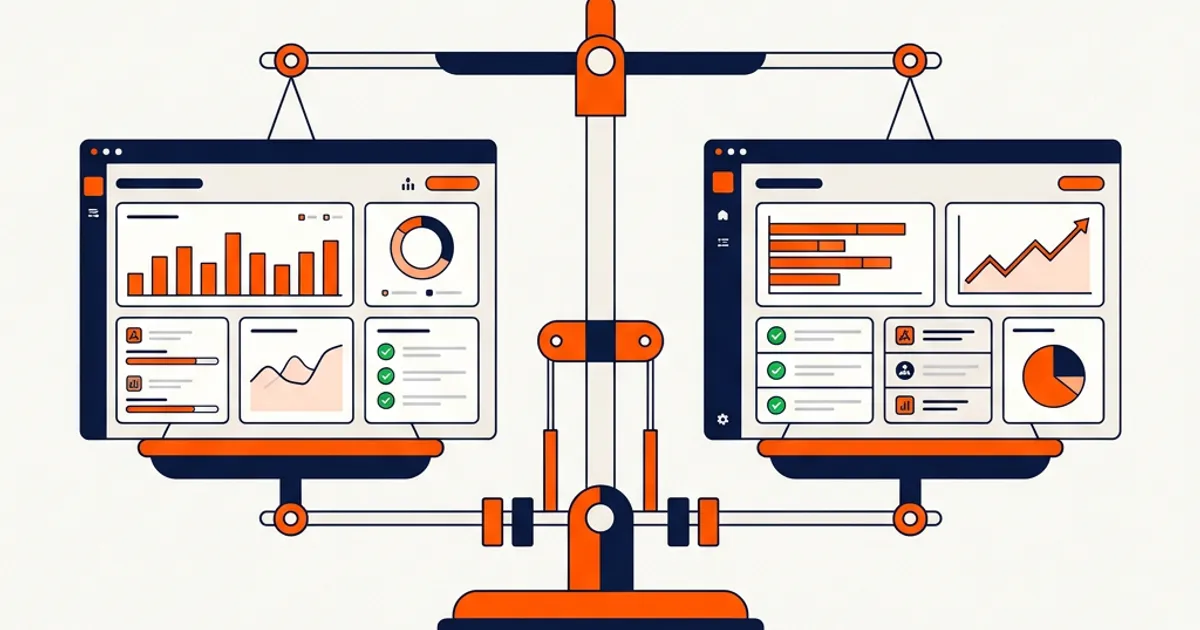
OCTA Flow vs Basis: feature comparison
| OCTA Flow | Basis | |
|---|---|---|
| Category | AI workspace for accounting firms | AI agents for accounting (enterprise) |
| Buying model | Self-serve, transparent pricing | Demo-led, custom pricing |
| Try before you buy | 30-day trial on your files | Contact sales / demo |
| Runs on your QuickBooks/Xero stack | Yes, via connectors | Publicly positioned around integrations |
| Reusable, firm-defined Skills | Yes (100+ pre-built) | Agent-based |
| Executes full procedures | Yes, inside Engagements | Agent-based execution |
| Findings by severity + partner sign-off | Yes (Critical/High/Medium/Low) | Human-in-the-loop positioning |
| Client-ready audit trail | Yes, every step logged | Not publicly detailed |
| Ask / Plan / Agent modes | Yes | Agent-based |
| Published accuracy benchmark | 83% across 200+ scenarios | Not publicly published |
| Pricing model | Flat per-firm by task volume | Custom (contact sales) |
| Pricing | Practice $1,200/mo · Firm $2,500/mo | No public pricing — custom / contact sales |
| Free trial | 30 days (card upfront) | Not publicly stated |
| Best fit | Self-serve firms of any size | Enterprise buyers via sales |
Basis does not publish pricing or a full public feature list; details above are limited to publicly defensible positioning. Verify directly with the vendor.
Where Basis genuinely wins
- Enterprise motion. For a large firm that expects a guided procurement process, dedicated onboarding, and a negotiated contract, Basis's sales-led model fits that buying pattern.
- Custom scoping. A demo-led approach can tailor scope and pricing to a big, specific deployment in a way self-serve tiers don't.
- Fit for large, complex rollouts. If you're standing up AI agents across a large organization with bespoke requirements, an enterprise vendor relationship has real advantages.
If your firm buys software through procurement and wants a negotiated enterprise agreement, Basis's model may suit you better than self-serve.
Where OCTA Flow wins
- You can evaluate it today. Start a 30-day trial, connect a client's QuickBooks or Xero, and run a real procedure — no sales cycle required.
- Transparent, flat pricing. $1,200/mo Practice or $2,500/mo Firm, published up front, so you can budget and compare without a quote.
- It executes with a defensible record. Flow runs the procedure inside an Engagement, returns findings by severity, requires partner sign-off, and logs every step — see how this works in agentic accounting.
- Published proof. Flow scored 83% on accounting tasks in independent scenario testing (versus 55% for a general Opus model, 33% for ChatGPT), and is used by 900+ firms with under 1% churn — figures we publish rather than reserve for a sales call.
Who should choose which
Choose Basis if you're an enterprise buyer who prefers a demo-led, custom-scoped, negotiated purchase and has procurement resources to run it.
Choose OCTA Flow if you want to try the tool on your own files this week, see published pricing, and get execution with an audit trail without a sales cycle. If your comparison is really general-AI-agents versus a purpose-built workspace, the Flow vs ChatGPT breakdown is a useful companion, as is Flow vs Docyt.
Moving to OCTA Flow
There's nothing to migrate and no quote to wait on. Start a 30-day trial, connect QuickBooks or Xero, run a Skill for your busiest procedure, and compare the output to your manual process. Standardize once it matches. Most firms are live within a week.
Frequently Asked Questions
Does Basis publish pricing? No. Basis is sold through a demo-led, custom process — pricing is quote-based. Flow publishes flat per-firm pricing: $1,200/mo Practice or $2,500/mo Firm.
Can I trial Flow without talking to sales? Yes. Flow offers a 30-day self-serve trial (card upfront) where you connect your own client data and run real procedures.
Are both tools agent-based? Yes, both use AI agents for accounting work. Flow adds reusable firm-defined Skills, severity-ranked findings, partner sign-off, and a logged audit trail, with a published 83% accuracy benchmark.
Which is better for a small firm? Generally Flow, because self-serve pricing and a hands-on trial suit firms without a procurement process. Basis's enterprise model fits larger, sales-led buyers.
Rather try it than sit through a sales cycle? Start a 30-day OCTA Flow trial and run a real procedure on your own files this week. → Start your trial