
AI Tax Workpaper Automation

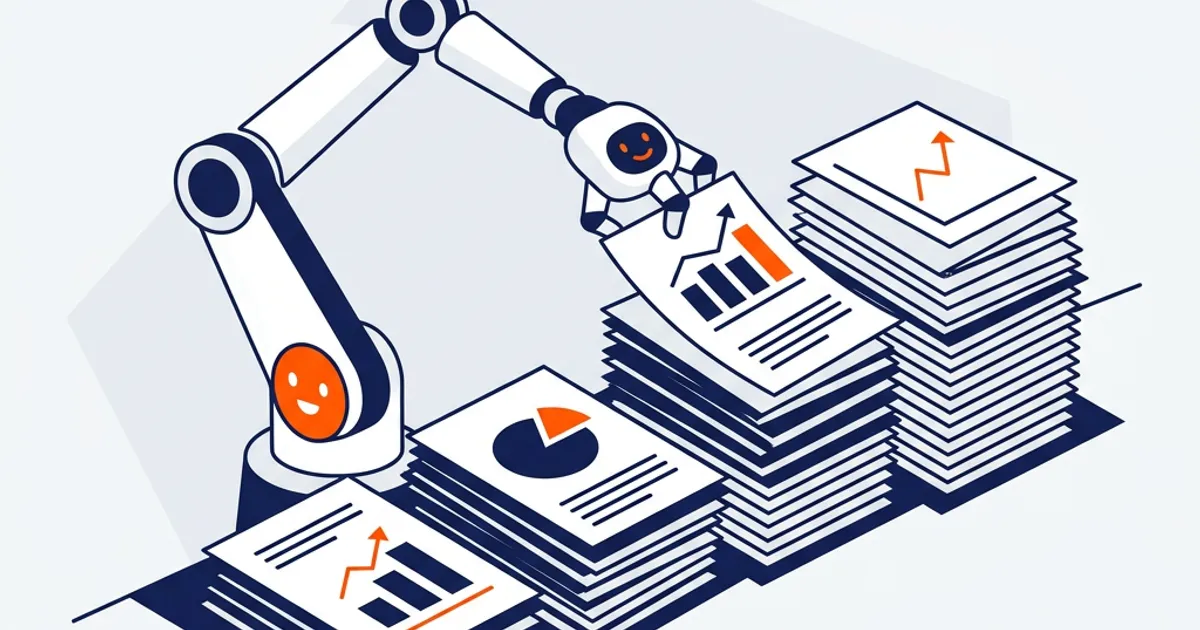
AI tax workpaper automation uses AI agents to assemble tax workpapers — lead schedules, tie-outs, and supporting documentation — from a client's source files. It pulls and organizes the support, cross-references it to the return, flags gaps and inconsistencies, and produces a review-ready set with a full audit trail, while the preparer keeps sign-off.
Why workpapers eat a tax team's season
Workpapers are the backbone of a defensible return, and building them is relentlessly manual. For each client the team collects source documents, ties amounts to the trial balance, builds lead schedules, footnotes the support, and indexes the file so a reviewer can follow it. Multiply that by a full client roster inside a compressed filing window and it's the single biggest capacity constraint most tax practices face.
The work is high-volume and rule-bound — exactly the kind of task that should be assembled automatically and only surface the items that need a human's judgment.
Why general AI can't build a workpaper file
A general chatbot can explain what a lead schedule is, but it can't assemble one from a client's actual documents. It doesn't read your source files, doesn't tie to the trial balance, doesn't produce an indexed, cross-referenced file, and leaves no record a reviewer can rely on. Tax workpapers have to be traceable — every number pointing back to support — and an untraceable chat answer fails that test on its own.
How OCTA Flow automates tax workpapers
OCTA Flow runs workpaper assembly as an Engagement on your real files:
- Skills — a Workpaper Skill knows the schedules to build, the tie-outs to perform, and the index structure to follow, so output is consistent every run.
- Connectors — pull the trial balance and support directly from QuickBooks, Xero, Sage, or Zoho.
- Automations — roll the same structure across every client in the book.
- Approvals + audit trail — the preparer reviews findings by severity and signs off; every action is logged.
Flow assembles the schedules, cross-references support to the return, and flags mismatches — a figure that doesn't tie, a missing document — as findings by severity. On 200+ independent accounting scenarios it scored 83% accuracy, and nothing is finalized without preparer review. Start from a consistent workpaper index template so every file follows the same structure.
What the automated file looks like
The output is a review-ready workpaper set, not a chat reply: indexed lead schedules tied to the trial balance, supporting documents referenced to each line, an exceptions list of items that don't tie or are missing, and a locked audit trail of how the file was built. It's the file you'd hand a reviewer — already assembled and cross-referenced.
Why traceability is the whole point
A workpaper file only earns its keep if a reviewer — or, later, an examiner — can follow every number back to its support without a guided tour. That's exactly what breaks down under filing-season pressure, when files get assembled in a hurry and cross-references go stale. Because Flow builds the index and the tie-outs the same way every run, the trail from a figure on a lead schedule to its underlying document stays intact by construction, not by someone remembering to maintain it. That consistency is what lets a manager review a preparer's file quickly and defend it confidently.
Trust, control, and security
Tax files are sensitive, so control is built in. Each firm's data is isolated and is not used to train models. Quality Gates validate the file before it reaches review, findings surface by severity, and sign-off is blocked while a Critical item is unresolved. The AI builds the file; the preparer signs it. See how a filing-season team puts this to work in OCTA Flow for tax-prep firms.
Frequently Asked Questions
Can AI really assemble tax workpapers? Yes — it pulls the support, builds and ties the lead schedules, indexes the file, and flags what doesn't tie. Judgment and sign-off stay with the preparer.
How does it handle documents that don't tie out? It surfaces them as findings by severity rather than guessing, so your team resolves the real exceptions instead of hunting for them.
Is client tax data safe? Data is isolated per firm and not used to train models, with every action logged for review.
Does it file the return? No. Flow assembles and cross-references the workpapers; preparation, review, and filing stay in your process and with your team.
See your workpaper file assemble itself before review — free for 30 days. → Start your trial