
How to Automate Intercompany Reconciliation in NetSuite with AI

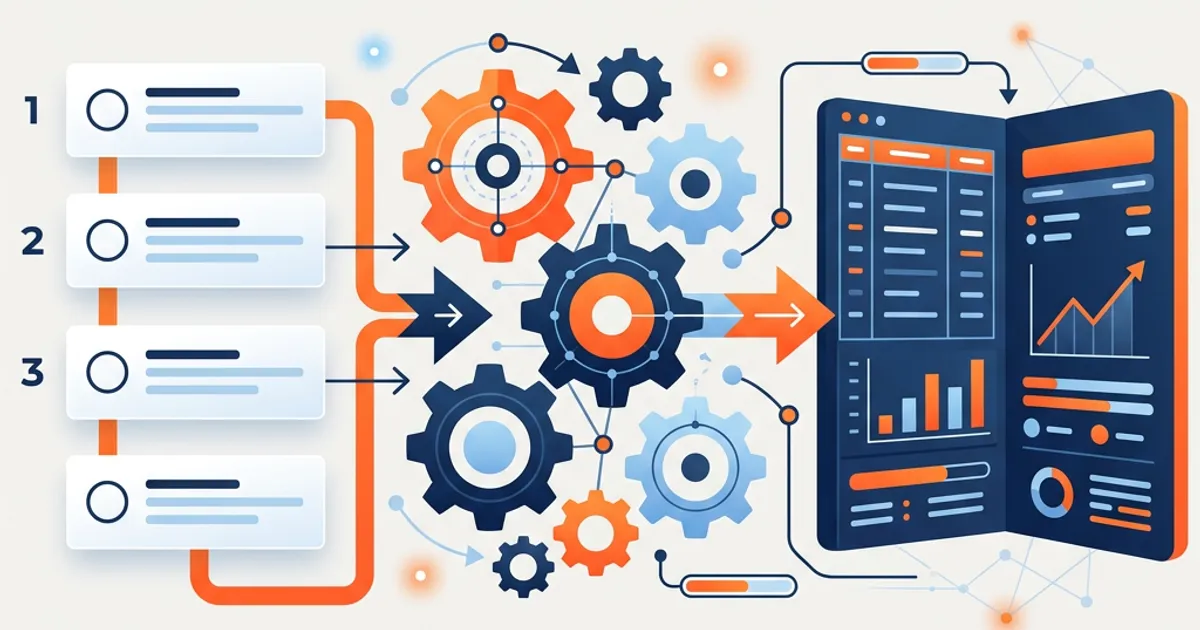
The short answer: You automate intercompany reconciliation in NetSuite with AI by connecting NetSuite so the workspace pulls each subsidiary's ledger, matches every due-to balance against its due-from counterparty, and flags mismatches, timing differences, and missing eliminations. In OCTA Flow, you pick the Intercompany Reconciliation Skill, run it across the subsidiaries, review findings by severity, and sign off.
Why intercompany reconciliation stalls the NetSuite close
Multi-subsidiary NetSuite clients are exactly where intercompany balances go wrong. Subsidiary A books a $50,000 charge to Subsidiary B; B records $48,000, or nothing, or posts it a period later. Even with NetSuite's intercompany features, someone still has to pull each subsidiary's ledger, line up the due-to and due-from accounts, chase the differences, and confirm the eliminations before consolidation. It is slow because balances live across entities and stakes are high because an unreconciled intercompany balance distorts the consolidated statements a board is about to read. A spreadsheet tie-out breaks the moment a client adds a subsidiary. This is multi-file, rules-driven work that should run itself and only stop for a human when something is genuinely off.
How to automate intercompany reconciliation in NetSuite with OCTA Flow (step by step)
- Connect NetSuite. Authorize NetSuite so Flow reads each subsidiary's general ledger and intercompany accounts directly — across all entities in the group.
- Pick the Intercompany Reconciliation Skill. A pre-built Skill that already knows to pair due-to and due-from accounts across subsidiaries.
- Map the subsidiaries and period. Tell Flow which entities are related and the period you are closing.
- Run it. The agent matches each intercompany balance to its counterparty, flags one-sided entries, amount mismatches, timing differences, and missing eliminations, and logs every step.
- Review findings by severity. A material one-sided balance is flagged Critical; a small timing difference clearing next period is Low. You resolve, override with a reason, or re-run.
- Handle proposed journal entries. Flow drafts the true-up and elimination entries. It does not post them to NetSuite — you review and post them in each subsidiary yourself.
- Sign off. Once material findings clear, you approve, and the engagement locks with a full audit trail before consolidation.
What Flow produces
The deliverable is a review-ready intercompany reconciliation: an entity-by-entity matrix of due-to and due-from balances, an exceptions tab by severity, proposed true-up and elimination entries, and a locked audit trail. It is the workpaper your reviewer needs before the consolidation runs — already assembled and tied.
Who stays in control
The AI does the work; your partner signs the name. Every action is logged, Quality Gates check the matrix before it reaches your review queue, and you cannot sign off while a Critical finding is open. Flow finds the differences and drafts the entries; you decide which side is correct and how to true up. That is the difference between AI that gives an answer and AI you can put in front of a client's board.
NetSuite specifics
Flow reads each subsidiary's ledger and intercompany accounts through the integration, so the reconciliation pulls from live entity detail rather than a stale export, and the whole group reconciles in one workspace. If the client runs intercompany at the transaction level, Flow matches counterparties down to the line. Write-back is deliberate: Flow proposes true-up and elimination entries, you post them in each subsidiary — so nothing changes any entity's books without a human. This feeds directly into month-end close in NetSuite and runs across tools in intercompany reconciliation automation.
Frequently Asked Questions
Does the AI post elimination entries to NetSuite automatically? No. Flow drafts proposed true-up and elimination entries; you review and post them in each subsidiary. Nothing posts without your action.
Can it reconcile every subsidiary in the group at once? Yes. Flow reads each entity's ledger through the NetSuite integration and matches intercompany balances across the whole group in one run.
Will it catch a one-sided intercompany entry? Yes. One-sided entries, amount mismatches, and timing differences are surfaced as findings ordered by severity, so the material ones reach you first.
How accurate is AI intercompany reconciliation? In independent testing across 200+ accounting scenarios, Flow scored 83% versus 55% for a general Opus model and 33% for ChatGPT — and every reconciliation is reviewed before consolidation.
Run your next intercompany reconciliation on your own NetSuite data — free for 30 days. → Start your trial