
AI for Tax Preparers

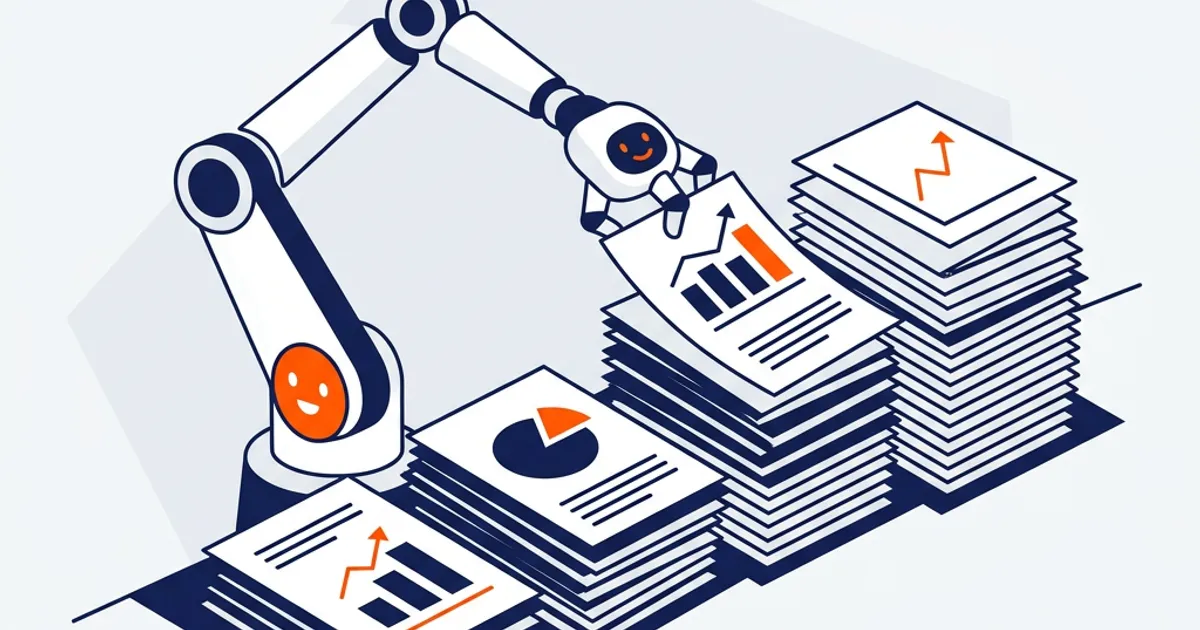
AI for tax preparers means using AI agents to handle the prep work around a return — gathering and organizing source documents, building workpapers, and tying support to the numbers. It absorbs the document-wrangling and tie-out volume during filing season, flags gaps for review, and leaves preparation and sign-off with the preparer.
Where filing season actually breaks
For a tax preparer, the crunch usually isn't the return itself — it's everything around it. Chasing missing documents, sorting a client's shoebox of statements, tying figures to the trial balance, and assembling workpapers into a reviewable file consumes the compressed weeks before deadlines. Do that across a full roster and the bottleneck is document handling and support, not tax logic.
That prep work is high-volume, repetitive, and rule-bound — the profile of work AI should absorb so preparers spend their hours on positions and review.
Why general AI can't carry a return's support
A general chatbot can answer a tax question in the abstract, but it can't organize a client's actual documents, tie amounts to source, or produce a cross-referenced file a reviewer can follow. It doesn't reach your data, doesn't retain how your firm structures a file, and leaves no traceable record. Tax support has to point back to evidence, and an untraceable chat answer fails that on its own.
How OCTA Flow helps tax preparers
OCTA Flow runs the prep around the return as an Engagement:
- Skills — pre-built procedures assemble and cross-reference support, and build lead schedules to a consistent structure.
- Connectors — pull the trial balance and records from QuickBooks, Xero, Sage, or Zoho.
- Automations — apply the same intake and assembly across your whole client roster.
- Approvals + audit trail — the preparer reviews findings by severity and signs off; every step is logged.
Flow flags what doesn't tie or is missing as findings, so preparers resolve real exceptions instead of hunting for them. On 200+ independent accounting scenarios it scored 83% accuracy, with review before sign-off. See the mechanics in AI tax workpaper automation, and standardize recurring jobs with a 1099 preparation checklist.
What it takes off a preparer's plate
- Document intake and organization from a client's raw records.
- Tie-outs between support and the trial balance.
- Lead-schedule and workpaper assembly to a consistent index.
- An exceptions list of gaps and mismatches to resolve before review.
The return preparation, positions, and filing stay with you — see OCTA Flow for tax-prep firms.
What it means at deadline
The value compounds during the crunch weeks. A preparer with 80 returns in the queue normally loses the first stretch of every engagement to intake — figuring out what the client sent, what's missing, and whether the numbers tie. With Flow running that step, each engagement lands on the preparer's desk already organized: support gathered and indexed, lead schedules built and tied to the trial balance, and a short list of gaps to chase. Instead of starting cold on 80 disorganized files, the preparer starts 80 review-ready ones and spends their scarce filing-season hours on positions, elections, and judgment — the work that only a preparer can do and that clients actually pay for.
Trust, control, and security
Tax data is sensitive, so control is built in. Each firm's data is isolated and is not used to train models. Quality Gates validate the file before review, findings surface by severity, and sign-off is blocked while a Critical item is open. The AI assembles the support; the preparer signs the return.
Frequently Asked Questions
Can AI prepare tax returns? It prepares the support — documents, workpapers, tie-outs — and flags issues. Return preparation, positions, and filing stay with the preparer. That division keeps you in control and defensible.
How does it handle a disorganized client? It ingests raw records, organizes them against the file structure, and lists what's missing — turning a shoebox into a review-ready starting point.
Is client tax data secure? Yes — isolated per firm, not used to train models, every action logged.
Does it replace my tax software? No. It handles the prep and support around the return; your tax software and your judgment still produce and file it.
See your workpapers assemble before you prep the return — free for 30 days. → Start your trial